
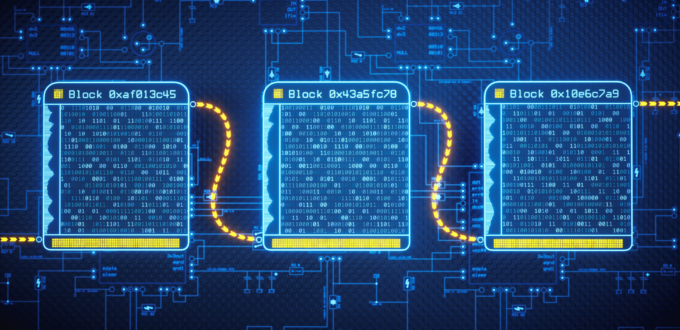
Blockchain technology is poised to revolutionise business operations across various sectors. This innovative technology enhances efficiency and transparency, allowing companies to streamline processes while reducing costs. The future of blockchain in business lies in its ability to facilitate digital transformation by creating more secure and reliable platforms for transactions.
As organisations continue to seek ways to improve their operational frameworks, blockchain provides solutions that promote trust and accountability. Companies can leverage this technology to optimise supply chains, enhance data management, and improve customer relationships. The integration of blockchain can significantly decrease the complexities often involved in traditional systems.
Embracing blockchain technology not only prepares businesses for future challenges but also positions them as leaders in their respective industries. The ongoing advancements in this field indicate a strong trend towards greater adoption and innovation, making it essential for businesses to consider its potential impact on their operations.
Blockchain Technology Fundamentals
This section explores the core aspects of blockchain technology and its application within business operations. Key elements include its definition, relevance, historical evolution, and the benefits it brings in terms of transparency and efficiency in modern business models.
Defining Blockchain and Its Relevance to Business
Blockchain is a distributed ledger technology that allows for secure, transparent, and immutable record-keeping of transactions. Each block in the chain contains a list of transactions, a timestamp, and a cryptographic hash of the previous block.
For businesses, blockchain’s decentralised nature removes the necessity for intermediaries, thereby reducing costs and increasing trust between parties. It enhances data integrity by preventing tampering since any alterations would require consensus from all network participants.
The Evolution of Blockchain in Business Operations
Blockchain technology has evolved significantly since its inception with Bitcoin in 2009. Initially used primarily for cryptocurrencies, businesses began exploring its potential for various applications by 2015.
Innovations in blockchain have included smart contracts, which automatically execute transactions when predetermined conditions are met. More companies are now adopting private and consortium blockchains tailored to specific industry needs, allowing for enhanced collaboration while safeguarding sensitive data.
How Blockchain Enhances Transparency and Efficiency
Utilising blockchain improves transparency by allowing all participants in the network to view the same data in real-time. This shared visibility leads to reduced disputes and enhances trust among stakeholders.
Efficiencies arise from automating processes that traditionally require manual verification. For example, transactions can be processed without delay, and record-keeping becomes streamlined. According to studies, businesses that implement blockchain can reduce operational costs by up to 30%.
The Intersection of Blockchain and Industry 4.0
Blockchain aligns harmoniously with the principles of Industry 4.0, which emphasizes automation, data exchange, and smart technologies. By integrating blockchain within supply chains, companies can achieve better traceability of products from origin to consumer.
This integration fosters innovation through enhanced data-sharing capabilities, which lead to improved decision-making. The combination of blockchain and IoT devices can create a more efficient operational landscape, driving new business models that are responsive to real-time data.
Integrating Blockchain into Business Processes
Implementing blockchain technology can streamline operations, enhance transparency, and improve security within various business processes. The following areas illustrate how blockchain can be strategically integrated.
Smart Contracts and Business Process Automation
Smart contracts are self-executing contracts with the terms of the agreement directly written into code. They facilitate the automatic execution of contracts when predefined conditions are met. This technology reduces the need for intermediaries, which can significantly decrease costs and speed up transactions.
Organisations can automate routine tasks, such as payment processing or compliance checks. The conditions set within smart contracts can be tailored to align with specific business rules. This capability leads to greater operational efficiency and accuracy, as errors arising from manual input are minimised.
Supply Chain Management and Traceability
Blockchain enhances supply chain management by providing a transparent and immutable record of transactions. Each participant in the supply chain can access the same data, ensuring that all parties have real-time visibility into the status of goods.
Traceability is improved significantly, as every transaction is logged on the blockchain. This allows businesses to track products from origin to consumer. Enhanced traceability helps in mitigating risks such as fraud and counterfeiting, ensuring the authenticity and quality of products.
Enhancing Security and Privacy in Operations
Blockchain technology provides robust security features, including cryptographic encryption. This ensures that data is tamper-proof, making it highly resistant to cyber threats. Additionally, the decentralised nature of blockchain reduces single points of failure, further enhancing security.
Businesses can also implement permissioned blockchains, where access to data is restricted to authorised participants. This approach allows organizations to maintain privacy while still benefiting from shared connectivity. Security and privacy are paramount, particularly in industries dealing with sensitive information.
Blockchain for Identity Management and Compliance
Identity management is made more robust through blockchain, facilitating secure digital identities for users. Each individual or entity can possess a unique, verifiable identity on the blockchain, which can be used across various platforms without compromising security.
Compliance with regulatory requirements is simplified. Smart contracts can be programmed to automatically verify compliance with relevant regulations. This reduces the administrative burden on businesses while ensuring adherence to necessary laws and guidelines, thus avoiding potential penalties related to non-compliance.
Impact on Performance and Competitive Advantage
Blockchain technology significantly influences business operations by enhancing performance and creating competitive advantages. Improved cost efficiency, data analytics capabilities, sustainability, and supply chain visibility are critical drivers of this impact.
Blockchain’s Role in Cost Reduction and Efficiency
Blockchain can streamline operations, leading to significant cost reductions. By automating processes and reducing reliance on intermediaries, businesses can minimise transaction costs. The transparent nature of blockchain ensures that information is accessible in real time, reducing delays and errors.
Smart contracts further enhance efficiency by automating agreement execution. This eliminates manual checks and balances, reducing the time spent on compliance. The cumulative effect promotes agility, allowing businesses to respond swiftly to market changes.
Improving Performance with Big Data Analytics
Integrating blockchain with big data analytics provides businesses with powerful tools for performance enhancement. Blockchain databases can securely store vast amounts of data, which can be analysed to identify trends, customer preferences, and operational inefficiencies.
By leveraging this data, organisations can make informed decisions. They can optimise resource allocation and improve marketing strategies. The result is a more responsive business, better equipped to meet the demands of its customers.
Sustainability through Blockchain-Enabled Provenance
Blockchain technology supports sustainability goals by providing a transparent supply chain. Companies can track the origin and movement of goods, ensuring compliance with environmental and ethical standards.
This traceability enhances customer trust, as consumers increasingly favour brands committed to sustainable practices. By offering verified provenance, businesses can differentiate themselves in a crowded market, securing a competitive edge.
Building Supply Chain Resilience and Visibility
Enhanced visibility along the supply chain is a crucial benefit of blockchain. Real-time data sharing allows companies to monitor inventory levels, shipment statuses, and supply chain disruptions. This visibility fosters quicker responses to unforeseen issues, bolstering resilience.
Increased collaboration among supply chain partners is also possible through blockchain. This shared access to information ensures all parties are informed, reducing risks associated with misinformation or lack of communication. The outcome is a more robust supply chain capable of weathering challenges.
No Comments Yet